
CANADA • RIGHTS EDUCATION
Know your Charter rights at home—and defend them lawfully
Court-respecting guidance for Canadians facing bylaws, property disputes, and claimed authority—grounded in evidence, case examples, and the rule of law, not conspiracy.
Respect the courts. Stand up for your home.
— Court‑recognized rights —
Learn your rights—without the myths, with Canadian law
Clear, cited explanations of property and Charter rights from a court‑aware perspective. We respect the Superior Court and Courts of Appeal, stay grounded in evidence, and help homeowners respond to bylaws without being bullied on their own land.
Case-based, not conspiracy
We focus on arguments that can be tested in court—using real decisions and practical examples (including Ruck v Mississauga) to separate lawful advocacy from internet folklore.
— Citations over slogans —
Property rights, plainly explained
Understand the “castle” idea in practical terms: fences, noise complaints, and naturalized lawns—how to document facts, read bylaws, and make respectful, legally coherent submissions.
— Built for homeowners —
Rule of law is non‑negotiable
Members are bound by the Criminal Code and committed to peaceful civic participation. We encourage questioning claimed authority while respecting courts, neighbors, and democratic processes.
— Firm boundaries, lawful action —
A FOUNDER’S LETTER
On being “king of your castle” — and staying grounded in Canadian law
There’s a particular moment many Canadian homeowners recognize: an envelope from town hall, a bylaw notice tucked under the door, or a knock that arrives with more certainty than explanation. This project began in those moments — when ordinary people feel pushed around on the property they pay for, maintain, and call home. Sovereign Citizens (Sovereign Citizen Rights) exists to educate, not inflame: to help you understand citizen and property rights through court-recognized reasoning, careful reading, and respect for Canada’s institutions.
We take the “castle” idea seriously — not as a license to ignore society, but as a reminder that a free person has lawful space to live without being bullied. We cite real disputes and real decisions (including Ruck v. Mississauga) and we talk plainly about common flashpoints: naturalized lawns, fences, and noise complaints. We do it with boundaries: members are bound by the Criminal Code, and we respect the Superior Court and Courts of Appeal. Law matters here — especially the parts that protect you.
We also believe democracy is not something you watch; it’s something you participate in. That includes questioning claimed authority, asking for proper jurisdiction, and demanding clear proof when power is asserted against you. In our view, “town hall” operates as a corporation, and its bylaws bind the corporation’s internal affairs — not automatically its customers who pay for water, sewer, or other services. Where municipalities like North Huron overstep, we encourage calm, documented, lawful resistance: letters, records, meetings, and evidence-based arguments.
If you’re new to these ideas, start with curiosity and discipline. Learn what the Charter protects, read the bylaw you’re accused of breaching, gather facts, and speak with respect — even when you disagree. The goal is not to win internet debates; it’s to be a steady voice for the voiceless, defend Canadian democracy, and help people stand up for their rights without stepping outside the law.
Thank you for reading carefully — and for choosing courage, clarity, and lawful action.
— The Sovereign Citizens Rights team
— Case Notes & Evidence —
Court-aware examples of property rights
Snapshots of the real-world disputes behind our work—kept practical, documented, and grounded in Canadian courts, the Charter, and the Criminal Code.

A rights argument starts with the public record
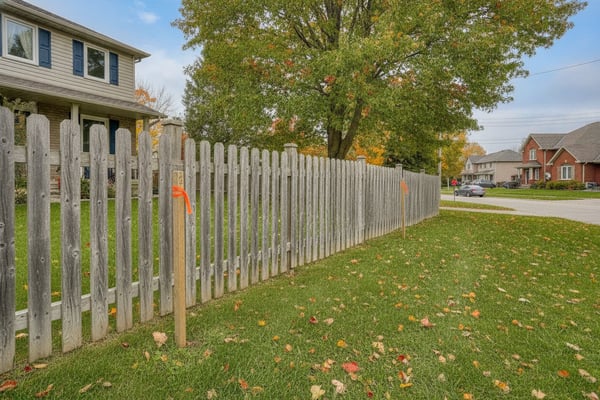
Property boundaries: what’s claimed vs. what’s proven

Bylaw letters: document, don’t panic
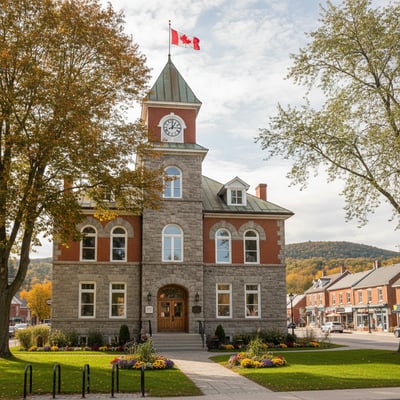
Municipal authority: define the limits

Naturalized lawns: practical, lawful, defensible
— Learn, document, respond —
Stand up for your home—lawfully.
Get court-aware, Canada-focused guidance on property and Charter rights—what to document, what to cite, and how to respond to bylaw pressure without overclaiming authority or crossing legal lines.
Court-respecting, Criminal Code–bound, evidence-first.